
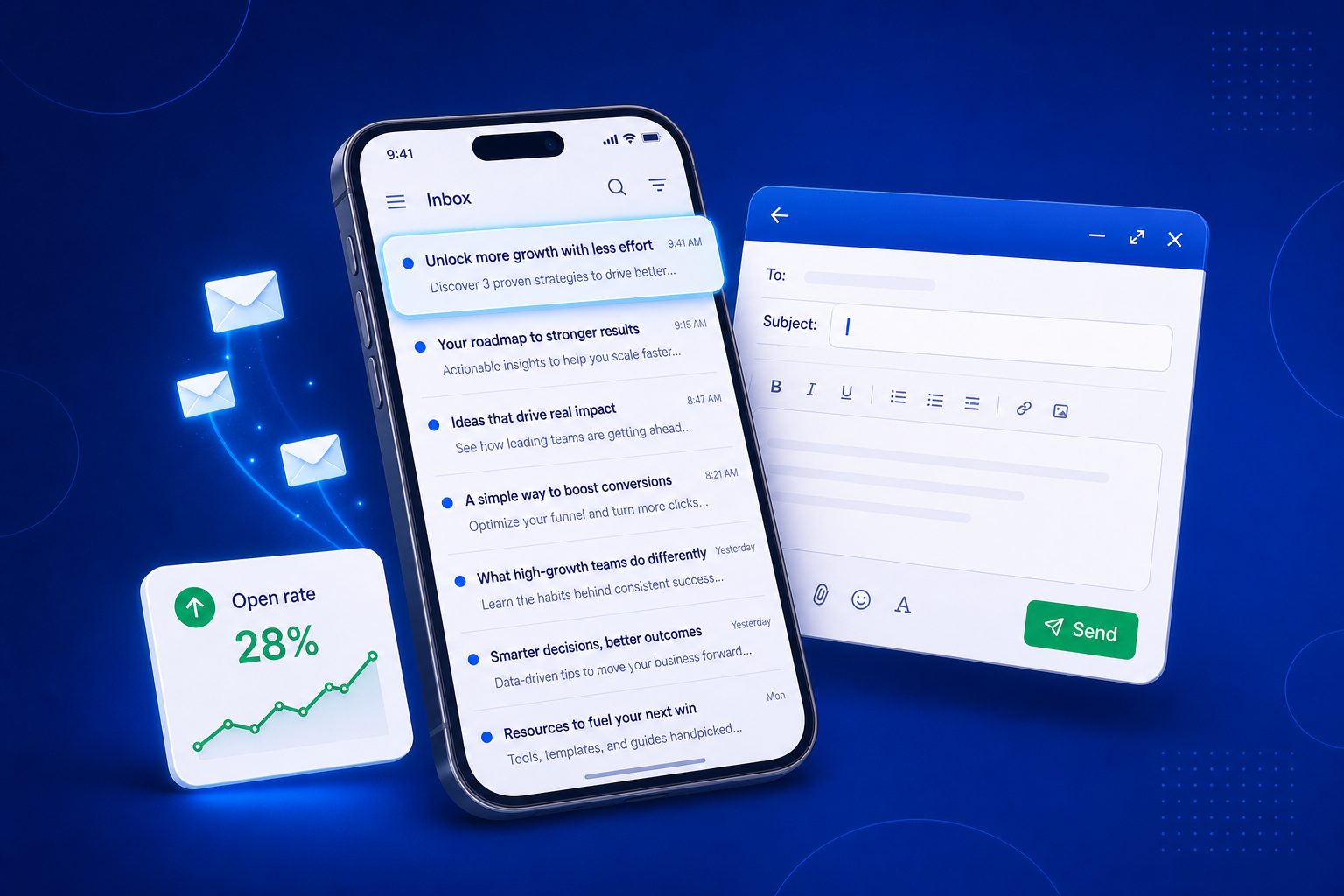
No matter how good your email is, nobody reads it if the subject line doesn’t earn the open. It’s the one line you must get right. The good news: a few simple rules, a swipe file and a couple of repeatable formulas will lift your open rate fast. Here’s everything that works — with the words to avoid and a way to test it all on your own list.
Get these right and you’re ahead of most senders. Each one is a small habit that compounds across every email you send.
A clear promise beats a clever pun. “3 ways to cut your energy bill” wins over “A bright idea” every time.
Aim for under ~50 characters (6–8 words) so it isn’t cut off on mobile, where most people read.
Tease the value so people want to know more — but never bait-and-switch, or you’ll train them to ignore you.
Write the way your reader talks, not the way your marketing team does. Plain words feel personal.
Genuine deadlines drive action. Fake countdowns and “last chance” on repeat destroy trust fast.
A first name helps; a relevant detail — their city, their last purchase — helps far more.
ALL CAPS, “FREE!!!” and rows of emojis hurt deliverability and look like spam in the inbox.
Type your subject, preview text and sender name below and watch exactly how it lands — on a phone and on desktop — with instant length and spam warnings.
On a phone
On desktop
The bold line is the subject; the gray line beneath is the preview (preheader) text. Together they’re your whole pitch — write both, not just the subject.
Readers don’t see your email — they see one crowded inbox. Notice how the specific, honest lines pull your eye, while the shouty one screams “spam”.
Phones show roughly 30–40 characters before they trim the rest. Front-load the words that earn the open; everything in red never gets read.
The same email, two subject lines. One earns the open; the other gets deleted or filtered. Notice the pattern.
Stuck on a blank line? Drop your own words into one of these proven structures and you’ll have a strong subject in seconds.
Some words pull readers in; others trip spam filters and erode trust. Lean into the left, go easy on the right.
Steal these as starting points — swap the brackets for your own words. Grouped by what you’re trying to do.
…and the best subject line of all is the one you test against your own list. Swap one word, send to two halves, and let your readers tell you what works.
Different jobs, different angles. Here’s where to start for the emails you send most — each links to a full guide.
Go deeper: welcome emails · abandoned cart emails · newsletters · cold emails
Examples get you started; your own data makes you better. Here’s the simple loop that keeps lifting your open rate.
Take your best line and a genuinely different angle — not “Sale” vs “Sale!”. Different promise, different curiosity.
Split a sample of your list in half and send one subject to each. Keep everything else — content, timing — identical.
Whichever wins, send that one to the rest of your list. Now you’ve learned something about your audience, not the internet’s.
Save what won and why. Over a few sends you’ll build a playbook of angles your readers reliably open.
Curious what counts as a good result? See our guide to email open rates and benchmarks.
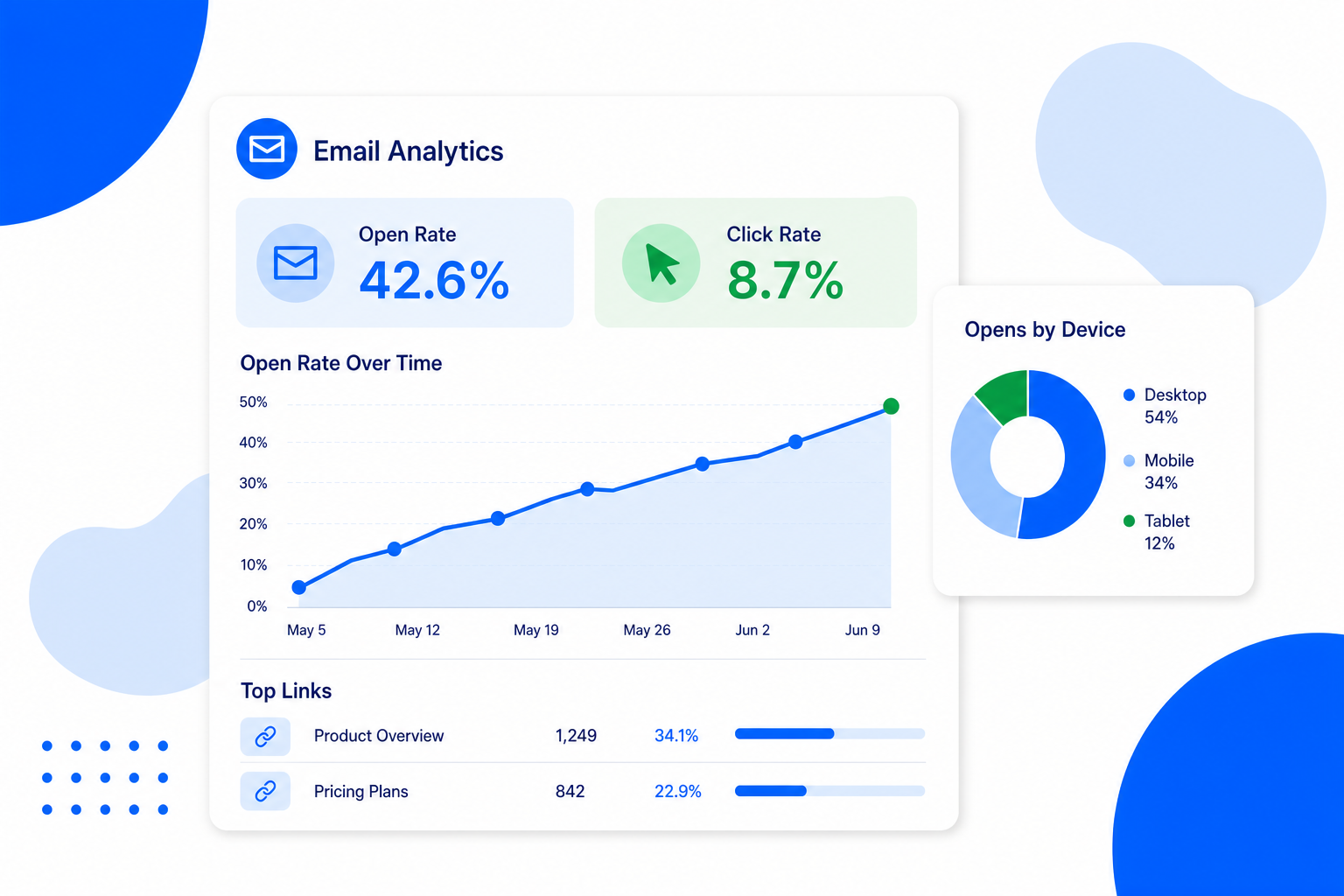
Examples get you started; data makes you better. BrandBits shows the open rate for every campaign, so you can see which subject lines actually earn the open and write more like them.